It’s a cold evening in the Pacific Northwest, and your furnace decides to take the night off. Suddenly, your cozy home turns chilly, and you realize how much you rely on that quiet, hardworking system hidden away in the basement or garage.
We’ve seen it happen too many times. The good news is that furnaces rarely stop working without giving some warning signs first. If you catch those clues early, you can avoid a full breakdown and a hefty repair bill. Let’s walk through the most common signs your furnace might need attention and what you can do about them.
1. Weak or Uneven Heating
When some rooms feel like a sauna while others feel like an icebox, your furnace isn’t doing its job properly. Uneven heating is one of the earliest and most overlooked signs that something’s wrong. It usually means air isn’t circulating the way it should or the system isn’t producing enough heat in the first place.
A few possible culprits include:
- Dirty air filters: These restrict airflow, forcing your furnace to work harder.
- Blocked vents or registers: Furniture or dust can block warm air from reaching certain rooms.
- Ductwork leaks: Cracked or disconnected ducts let heat escape before it reaches its destination.
- Malfunctioning blower motor: The fan responsible for distributing heat may not be running at full speed.
Start by replacing the air filter and checking your vents. If that doesn’t solve the problem, it’s time to call in a technician for furnace repair before the issue gets worse.
2. Strange Noises Coming from the Furnace
Furnaces aren’t silent, but they shouldn’t sound like a marching band, either. If you start hearing rattling, banging, whining, or grinding, take notice. Those noises usually point to mechanical wear or something that’s come loose inside the system.
Here’s what certain sounds might mean:
- Banging or popping: Expansion and contraction in the ducts, or dirty burners igniting unevenly.
- Squealing: A worn or loose belt on the blower motor.
- Rattling: Loose panels or screws inside the housing.
- Grinding: Bearings in the motor are wearing down and may seize up soon.
Noises are your furnace’s way of crying out for help. Ignoring them could lead to a complete mechanical failure. Addressing these early is far cheaper than replacing a burnt-out motor or cracked heat exchanger down the road.
3. Short Cycling or Constant Running
If your furnace keeps turning on and off in short bursts, or runs non-stop, it’s time for some furnace troubleshooting. Short cycling not only wears out parts faster but also wastes energy and keeps your home less comfortable.
There are several reasons this can happen:
- Thermostat issues: Faulty sensors or improper settings cause the furnace to misread room temperatures.
- Overheating: Restricted airflow or dirty components make the system shut down prematurely for safety.
- Improper sizing: A furnace that’s too large for your home will heat too quickly and turn off repeatedly.
- Clogged filters: Once again, a simple dirty filter can cause major trouble.
Start by checking the thermostat and air filter. If the issue continues, it’s best to call an HVAC professional to inspect the system’s controls and blower components. Fixing your furnace early can prevent total failure later.
4. Rising Energy Bills Without Explanation
Nobody likes a higher utility bill, especially when the weather hasn’t changed much. If you notice your heating costs climbing for no clear reason, your furnace may be running inefficiently.
Possible causes include:
- Clogged filters or vents reducing airflow.
- Worn-out components like the blower motor or ignition system.
- Leaky ductwork that loses warm air before it reaches your rooms.
- Aging furnace that’s simply past its prime.
When your furnace has to work harder to produce the same amount of heat, you pay for it in higher energy use. Scheduling regular furnace services can help identify the source of inefficiency before your bills skyrocket. If your furnace is over 15 years old, you might even consider upgrading to replace your furnace for a more efficient model.
5. Unusual Smells or Poor Air Quality
A properly functioning furnace shouldn’t make your home smell strange. If you notice a burning odor, musty scent, or even something metallic, take it seriously. It could indicate anything from dust buildup to a dangerous mechanical or electrical problem.
Common causes of furnace odors include:
- Dust burning off: A mild smell at the start of the season is normal, but it should fade quickly.
- Electrical or metallic odor: Wiring or components may be overheating.
- Musty smell: Mold growth inside ducts or around condensation areas.
- Rotten egg smell: This could indicate a gas leak—leave your home immediately and call your gas company.
Smells are often an early warning sign that your system needs professional cleaning or repair. A licensed technician can inspect for leaks, electrical issues, and contamination to restore your heating system safely.
6. Frequent Pilot Light or Ignition Problems
If you have an older gas furnace, the pilot light plays a key role in starting the heating cycle. For newer models, an electronic ignition system performs the same job. In either case, if your system struggles to light or stay lit, something’s off.
Here’s what might be happening:
- Dirty pilot or flame sensor: Dust buildup can prevent proper ignition.
- Thermocouple issues: A faulty thermocouple might shut the gas supply off as a safety measure.
- Gas supply interruptions: Low gas pressure or faulty valves can block fuel flow.
- Wiring or ignition control failure: For electronic systems, a bad control board can cause random shutdowns.
If you’re comfortable doing so, check the pilot flame, it should burn blue, not yellow or orange. A discolored flame can indicate dirt or carbon buildup. If the problem keeps returning, schedule a furnace repair appointment before you’re left with no heat.
The Hidden Danger of Delaying Repairs
When your furnace starts acting up, it’s tempting to put off repairs, especially if it’s still blowing some warm air. But delaying maintenance can lead to bigger and more expensive problems later on.
A small electrical issue today could turn into a major component failure tomorrow. Worse, malfunctioning furnaces can produce dangerous carbon monoxide leaks. Regular inspections keep you safe and ensure that your system runs efficiently when you need it most.
Think of it like a car you wouldn’t ignore the check engine light for long, right? Your furnace deserves the same attention.
How Regular Maintenance Prevents Furnace Trouble
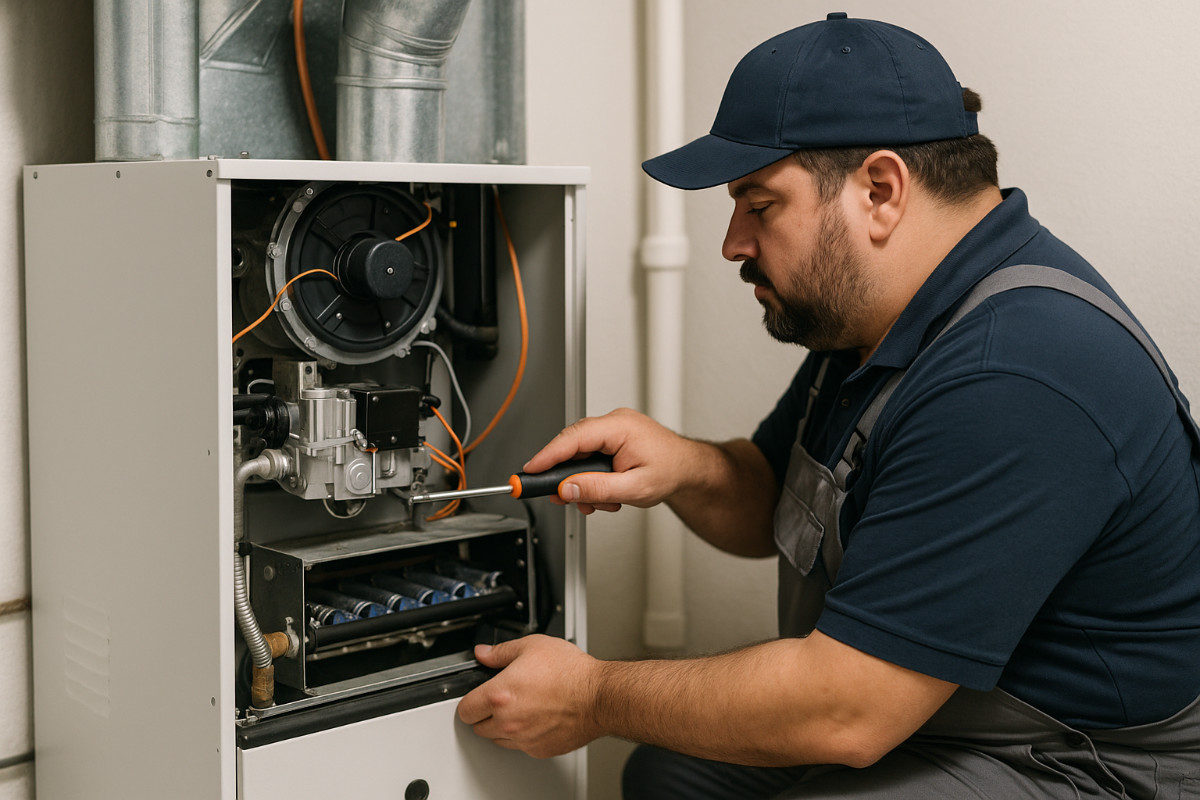
The best way to avoid issues with your furnace is simple: stay proactive. Regular maintenance helps spot small problems before they spiral into costly repairs or emergency breakdowns. A professional technician can clean key components, check for leaks, and make sure everything runs smoothly.
Here’s what a typical furnace maintenance visit includes:
- Inspecting the heat exchanger for cracks or corrosion.
- Cleaning the burners, blower, and filter.
- Checking gas or electrical connections for safety.
- Testing thermostat accuracy.
By keeping up with annual maintenance, you’ll enjoy better comfort, lower bills, and a furnace that lasts years longer. Plus, you’ll have peace of mind knowing your system is ready to face another chilly Oregon or Washington winter.
Furnace Giving You a Headache? Call the HVAC Professionals at Henco Today!
If your furnace is making strange noises, struggling to heat, or driving up your energy bills, don’t wait for a complete breakdown. The team at Henco Plumbing Services provides reliable furnace repair and maintenance across Portland, Salem, Dallas, Ridgefield, Vancouver, and nearby areas. We understand how vital a dependable heating system is to your comfort and safety.
Our experienced HVAC technicians can handle everything from minor repairs to full replacements. We’ll inspect your system, pinpoint the problem, and help you decide whether repair or replacement makes the most sense. For expert furnace services that keep your home warm and worry-free, call Henco today and let us help you restore your heating before the cold sets in.